
Buying property in Nassau is a major move whether you’re planning to live here full-time, invest in rental property, or just enjoy a vacation home. For many buyers, a mortgage is part of the process. But if you’ve never borrowed in The Bahamas before, it helps to understand how the system works.
Lenders in The Bahamas follow different guidelines than U.S. or Canadian banks. There are extra steps, additional documents, and important timing factors that can affect your deal.
This guide breaks down the process in plain language so you can move forward with confidence. Rodland Real Estate works closely with buyers through every stage, from pre-approval to closing.
Keep in touch with us today to learn more!
Key Takeaways:
- Nassau offers prime real estate with high value in neighborhoods like Albany, Old Fort Bay, and Paradise Island. It’s ideal for full-time living, investment, or vacation homes, with strong rental demand and no income or capital gains tax for residents.
- Foreign buyers can obtain mortgages in Nassau but may face higher down payments (30-50%) and provide proof of income and assets outside The Bahamas.
- Lenders typically require proof of steady income, a good credit score, and a full property appraisal. Properties in gated communities may need proof of good standing with the HOA.
- Buyers should prepare a passport, proof of address, tax returns, bank statements, sale agreements, and possibly a credit report from their home country.
- Choose between local Bahamian banks, which offer faster processing, or international banks, which may provide better rates for clients with strong international credit.
- Fixed-rate mortgages range from 6% to 8%, with loan terms of 15 to 25 years. Additional fees such as origination, legal, and appraisal costs are common.
- The process involves pre-qualification, application submission, underwriting, conditional approval, final approval, and closing; typically, it takes 30–60 days.
- Besides the mortgage, budget for stamp duty, legal fees, insurance, and bank fees, as well as moving and renovation costs.
- Rodland Real Estate can guide you through every step, from mortgage selection to document preparation, ensuring a smooth and stress-free experience when buying property in Nassau.
What Makes Nassau Attractive for Property Buyers
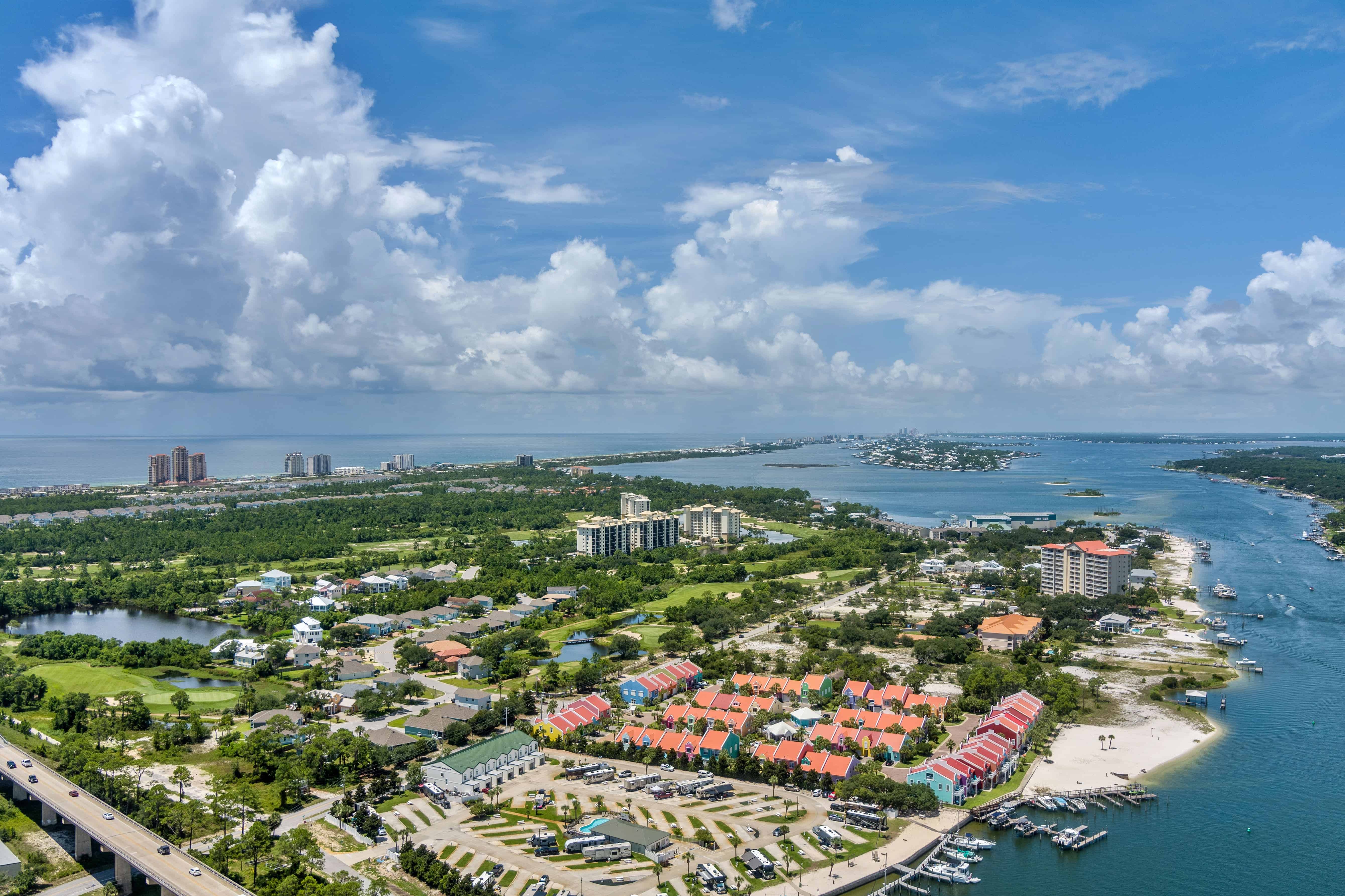
Nassau is the most developed and well-connected location in The Bahamas. It offers direct international flights, private schools, luxury communities, and top-tier infrastructure. Buyers are drawn here because:
- Properties hold value in sought-after neighborhoods like Albany, Old Fort Bay, and Paradise Island
- Rental demand is strong among tourists, expats, and professionals
- The Bahamas has no income or capital gains tax for residents
With that said, the market is competitive. Getting your financing in order early gives you a stronger position when it’s time to make an offer.
Can Foreign Buyers Get a Mortgage in The Bahamas?
Yes, foreign buyers can get a mortgage in Nassau. But there are some conditions.
- You may need a larger down payment, usually around 30%–50% of the purchase price
- Not all banks in The Bahamas lend to non-residents
- Proof of income and assets outside the country will be required
Some international banks in The Bahamas, like RBC Royal Bank and CIBC FirstCaribbean and Scotiabank offer mortgages to foreign buyers.
Mortgage Requirements in Nassau
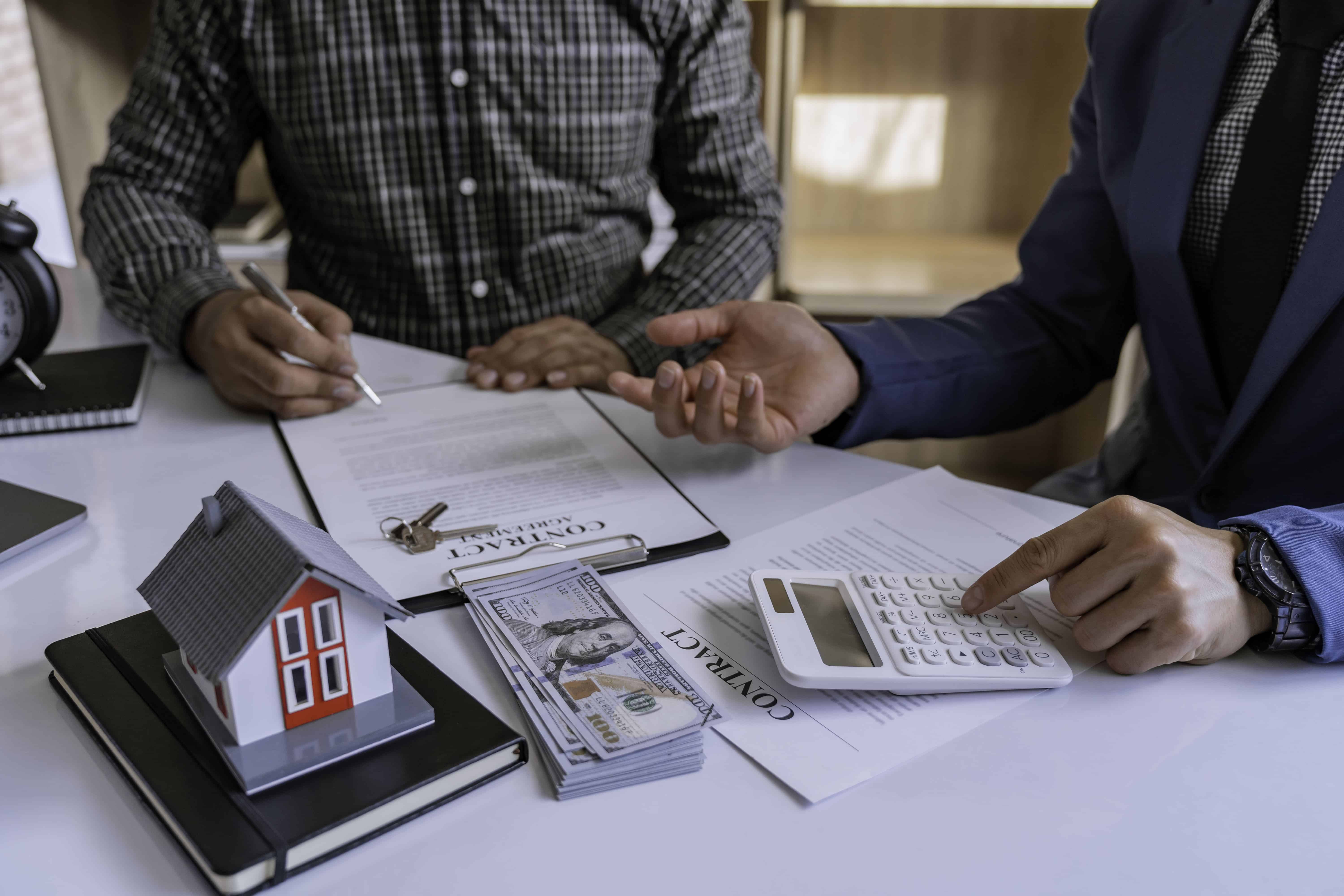
Here’s what most lenders in Nassau will want to see:
- Proof of steady income
- Good credit score
- Bank statements showing available down payment and reserves
- Tax return
- Full appraisal of the property
- Legal land title and proper zoning verification
The property itself must also qualify. If the home is in a gated development like Albany or Sandyport, lenders often require proof of good standing with the homeowners’ association.
Documents Lenders Will Ask For
Prepare these documents in advance to help streamline the process.
- Valid passport and government-issued ID
- Proof of address (utility bill, lease, etc.)
- Personal and business bank statements (last 6–12 months)
- Employment letter or proof of business ownership
- Tax returns (past 2 years)
- Sale agreement or offer letter for the property
Some lenders may also request a credit report from your home country.
Choosing a Local or International Bank
You’ll have options, and the right choice depends on your situation:
Local Bahamian banks:
- Familiar with Nassau real estate
- Local underwriting and decision-making
- Faster closings when all documents are local
Local International banks:
- May offer better rates for clients with strong credit abroad
- Require more paperwork
- Typically slower processing time
A mortgage broker or real estate agent can help match you with the right lender. Rodland Real Estate works with both types and helps coordinate communication so you’re never stuck in limbo.
Interest Rates and Terms

Rates in The Bahamas vary depending on the lender, loan type, and borrower profile. On average:
- Fixed-rate mortgages: 6% to 8%
- Variable rates: Start lower but may adjust after 1–3 years
- Loan terms: Usually 15 to 25 years
Many lenders also charge origination fees, processing fees, and legal costs upfront. Be sure to ask for a full cost estimate before you commit.
Steps in the Mortgage Approval Process
Here’s how the process usually flows:
- Pre-qualification – You provide basic financial details to see what you might qualify for.
- Application submission – Submit all documents, including the offer letter or sale agreement.
- Underwriting – The lender reviews credit, income, and property documents.
- Conditional approval – The bank issues a letter confirming your loan is approved, pending final conditions.
- Final approval and commitment – All conditions are met, and the bank commits funds.
- Closing – Mortgage funds are released, title is transferred, and the sale is complete.
The full process may take 30 to 60 days, depending on how quickly documents are submitted and reviewed.
Costs to Budget for Beyond the Mortgage

A mortgage covers part of your purchase, but not all of it. Plan ahead for these extra costs:
- Stamp duty: 10% of the purchase price, usually split 50/50 between buyer and seller
- Legal fees: Typically 2.5% of the purchase price
- Appraisal fees: Paid during the loan process
- Insurance: Required before closing, especially on waterfront or high-value homes
- Bank fees: Application, origination, and commitment fees can add up
You’ll also want to budget for moving, furnishing, and possibly renovations, depending on the condition of the property.
Work With Rodland Real Estate
Getting a mortgage in Nassau doesn’t have to feel overwhelming. The right guidance can save you time, money, and stress, especially when it comes to lender selection, document prep, and negotiation.
Rodland Real Estate has years of experience helping both Bahamian and international buyers finance luxury property. We’ll help you understand what’s required, connect you with trusted lenders, and support you every step of the way.
Are you ready to make your move in Nassau? Contact Rodland Real Estate today to learn what you qualify for and explore luxury listings that match your budget and lifestyle.
