
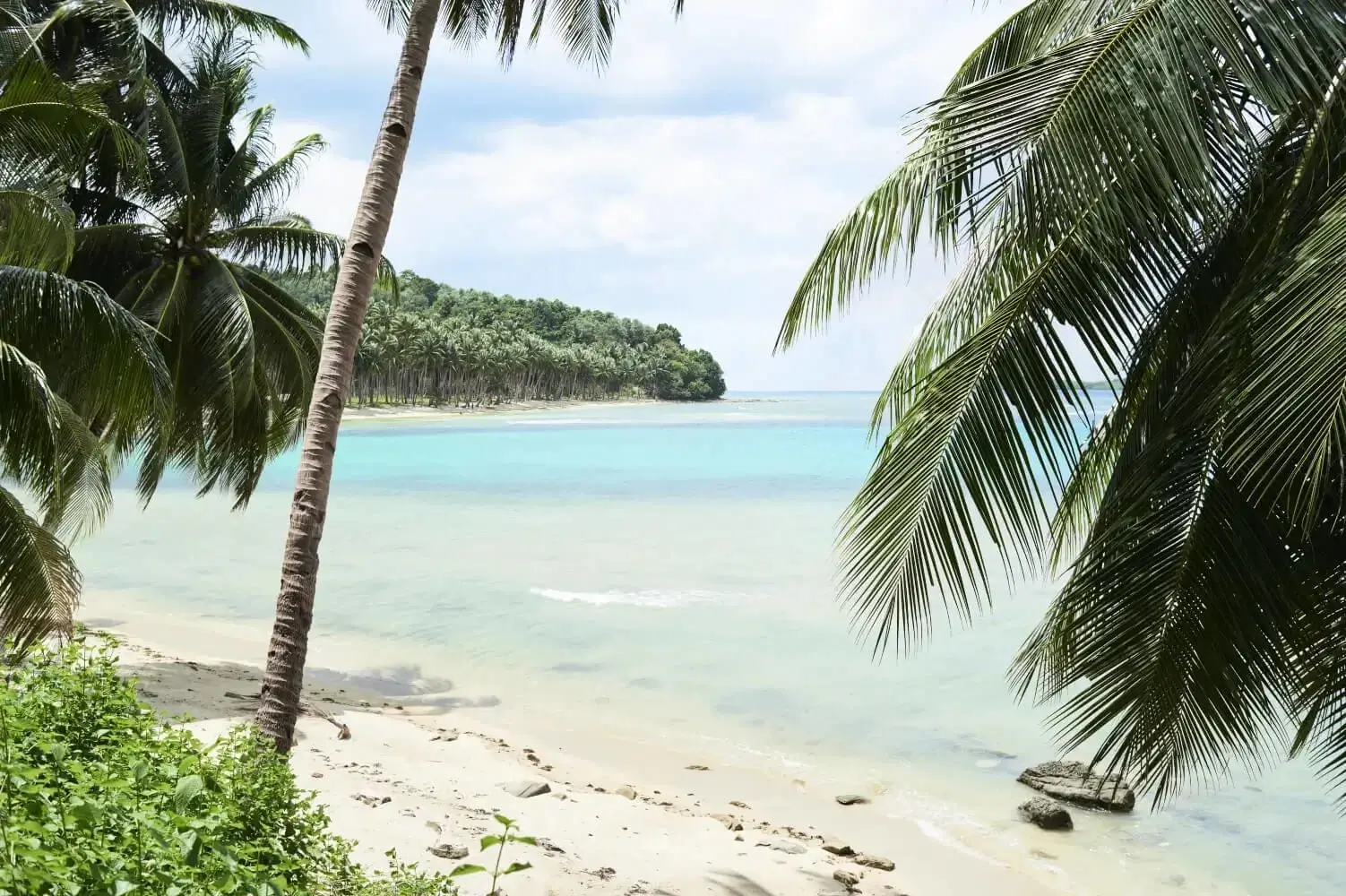
Owning a private island in The Bahamas is more than a dream; it’s a rare opportunity for luxury real estate buyers who want privacy, exclusivity, and oceanfront living. With turquoise waters, untouched natural surroundings, and a warm climate year-round, the setting speaks for itself.
But while the lifestyle is unmatched, so are the financial responsibilities. Buying a private island requires more than a strong offer. It demands clear planning, local expertise, and an understanding of long-term costs.
At Rodland Real Estate, we specialize in helping buyers purchase and maintain high-value properties across The Bahamas, including private islands. If you're exploring the possibility of ownership, contact us today to start your search or get answers to your questions.
Key Takeaways
- Private island ownership in The Bahamas offers privacy, natural beauty, and long-term value but also comes with high financial responsibility.
- Buyers must prepare for legal fees, VAT, and closing costs beyond the initial purchase price.
- Annual property taxes, and staffing are part of long-term maintenance.
- Infrastructure such as water, energy, and access systems requires upfront investment and regular upkeep.
- Hiring staff for property care, groundskeeping, and security is essential to preserving the property’s condition.
- Insurance and legal compliance are ongoing requirements, especially in a storm-prone region.
- Income opportunities like vacation rentals, events, and eco-retreats can help offset costs.
- Rodland Real Estate offers expert guidance from purchase through full island management support.
Purchase Price and Closing Costs

Private island prices in The Bahamas vary widely. Size, location, and development level play a major role. Islands near Nassau or within the Exumas tend to cost more due to easier access and existing infrastructure.
Beyond the purchase price, buyers need to plan for several additional expenses:
- Legal and Due Diligence Fees: You’ll need professionals to handle title verification, land surveys, and environmental assessments. These services confirm that the property meets Bahamian regulations and help you avoid unexpected problems.
- VAT and Transfer Fees: Although The Bahamas has no income or capital gains tax, it does charge VAT when land is transferred. This cost is often split between buyer and seller and is based on the total value of the transaction.
- Registration and Notary Fees: These closing costs are required to legally complete the transaction and record your ownership with the government.
Working with local professionals ensures that these steps move forward without delays.
Property Taxes and Island Management Fees
The Bahamas remains a tax-friendly destination, especially for foreign buyers. However, private island owners are still responsible for ongoing costs such as:
- Annual Property Taxes: Tax rates depend on the assessed value of your island and any buildings on it. It’s important to review updated tax guidelines each year and consult local tax experts.
- Community or Island Maintenance Fees: Some islands belong to managed developments or shared communities. In those cases, owners may pay fees for services like dock maintenance, landscaping, or environmental protection.
Understanding these recurring costs can help you manage the property without surprises.
Developing Infrastructure
.jpg)
Many private islands in The Bahamas are undeveloped. Even those with partial infrastructure still require major investments. Before you can live on or rent out your island, you’ll likely need to build systems that support daily living.
- Access and Transportation: Owners typically install private docks, boat slips, or helipads. Reliable access is essential not only for travel but also for bringing in supplies, staff, or construction materials.
- Power Generation: Most islands use solar power, wind turbines, or diesel generators. A mix of renewable and backup sources is common. You’ll also need a battery system and regular servicing to keep everything running.
- Water Supply and Sanitation: You may rely on rainwater collection, wells, or desalination units. A septic system or eco-friendly wastewater treatment setup is also necessary.
- Internet and Communication: High-speed satellite internet is available in many areas, but it often comes with high setup and service fees.
Each of these systems adds to the total cost of ownership, both upfront and over time.
Ongoing Maintenance and Staffing

Maintaining an island takes more than just a few visits each year. Most owners hire a team to manage day-to-day needs and preserve the property.
- Housekeeping and Maintenance Staff: Having a reliable team on-site or on-call helps keep the property clean, safe, and ready for use. This team often includes housekeepers, gardeners, maintenance workers, and boat captains.
- Property and Groundskeeping: Tropical conditions create wear and tear. Roofing, paint, outdoor decking, and docks need regular attention. Landscaping also requires consistent care to prevent overgrowth or erosion.
- Security: Private islands are peaceful, but security is still important. Many owners install remote surveillance systems or fencing or hire guards to monitor the property while it’s vacant.
All of these services support your lifestyle and protect your investment, but they come with recurring costs.
Legal Requirements and Insurance
Owning an island in another country includes some legal responsibilities. Staying informed and compliant can save you from costly mistakes later on.
- Property Insurance: Since hurricanes are a risk in the region, storm damage protection is a must. Premiums vary depending on location, construction type, and the value of what you’ve built.
- Liability Insurance: If guests or service providers visit your island, liability coverage protects you in case of accidents or injury.
- Permits and Building Regulations: Construction projects require government permits. In some cases, you’ll need environmental approval as well. Working with a local expert helps ensure your plans meet legal standards.
These legal protections give peace of mind and help secure the future of your investment.
Creating Income Opportunities

While many buyers view private islands as personal retreats, others explore revenue options to offset costs.
- Vacation Rentals and Luxury Events: Some islands are leased for weddings, corporate events, or private retreats. Others are listed as high-end vacation rentals. If this fits your plans, you’ll need a team to manage guests, bookings, and upkeep.
- Media and Commercial Projects: Occasionally, islands are rented for film shoots or promotional work. These types of projects can offer exposure and income with less ongoing effort than full-time rentals.
- Eco-Tourism or Retreat Hosting: Eco-conscious buyers may choose to build small lodges or wellness retreats and host guests seasonally. This option requires careful planning and permits but can bring meaningful returns.
At Rodland Real Estate, we guide buyers not just through the purchase process but also through the full ownership experience. That includes discussing investment potential and helping you decide what makes sense based on your goals.
Why Planning Makes the Difference

Owning a private island is a unique opportunity, but it comes with unique responsibilities. From purchase and legal fees to infrastructure and maintenance, the costs are wide-ranging.
Financial preparation gives you the freedom to enjoy the experience without setbacks.
At Rodland Real Estate, we bring years of experience helping clients buy, manage, and protect private islands across The Bahamas. We understand the local market, legal process, and lifestyle that come with island ownership.
If you're ready to take the next step or want to review current private island listings, talk to us today. We’ll help you make informed choices and guide you through each part of the process.
Let’s find the island that matches your vision—and help you make it your own.
